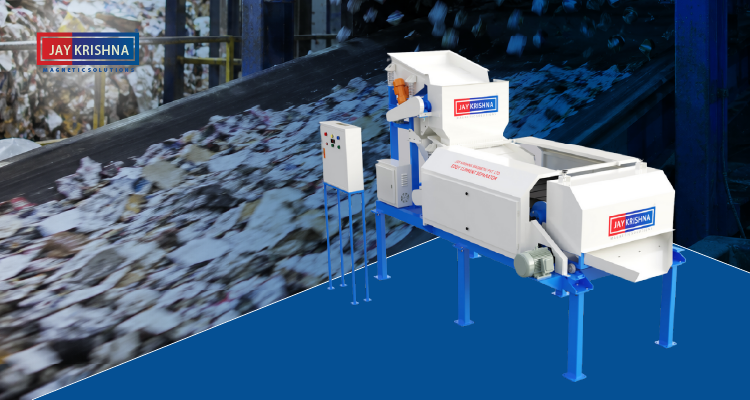
Eddy Current Separator for Aluminum Recovery from Foundry Sand
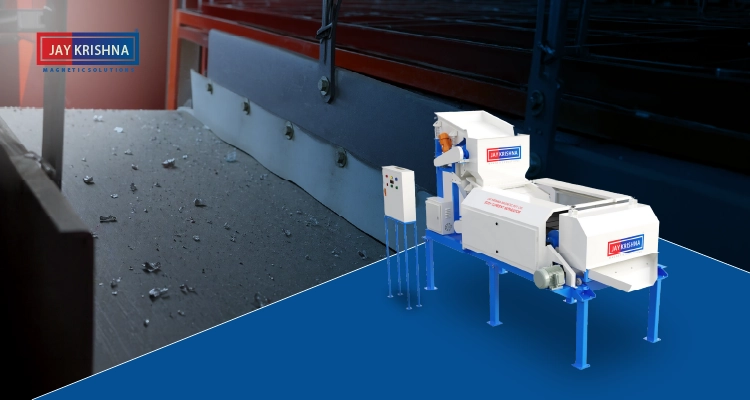
Jaykrishna Magnetic Pvt. Ltd. is a leading magnetic machineries manufacturer providing advanced solutions for non-ferrous metal recovery. An Eddy Current Separator is the primary technology used to recover high-purity aluminum from foundry sand, significantly improving recycling efficiency and resource sustainability.
In the high-stakes environment of automotive casting and industrial foundries, material efficiency is the definitive bridge between waste and wealth. Every ton of foundry sand processed after a casting cycle contains valuable residual non-ferrous metals—specifically aluminum—that often go unrecovered in traditional systems.
By integrating an advanced Eddy Current Separator into your plant, you can transform “waste” into a high-purity revenue stream while simultaneously purifying your sand for immediate reuse.
Key Takeaways
- Purpose: Recovers valuable non-ferrous metals like aluminum from waste foundry sand.
- Technology: Uses high-speed rare earth magnetic rotors to create repulsive eddy currents.
- Primary Benefit: Diverts waste from landfills and creates a secondary revenue stream from recovered metal.
- Efficiency: Capable of separating small non-ferrous particles from heavy sand streams.
- Durability: Built with industrial-grade materials to withstand abrasive foundry environments.
- Integration: Can be combined with Vibratory Equipment for consistent material feeding.
What is an Eddy Current Separator?
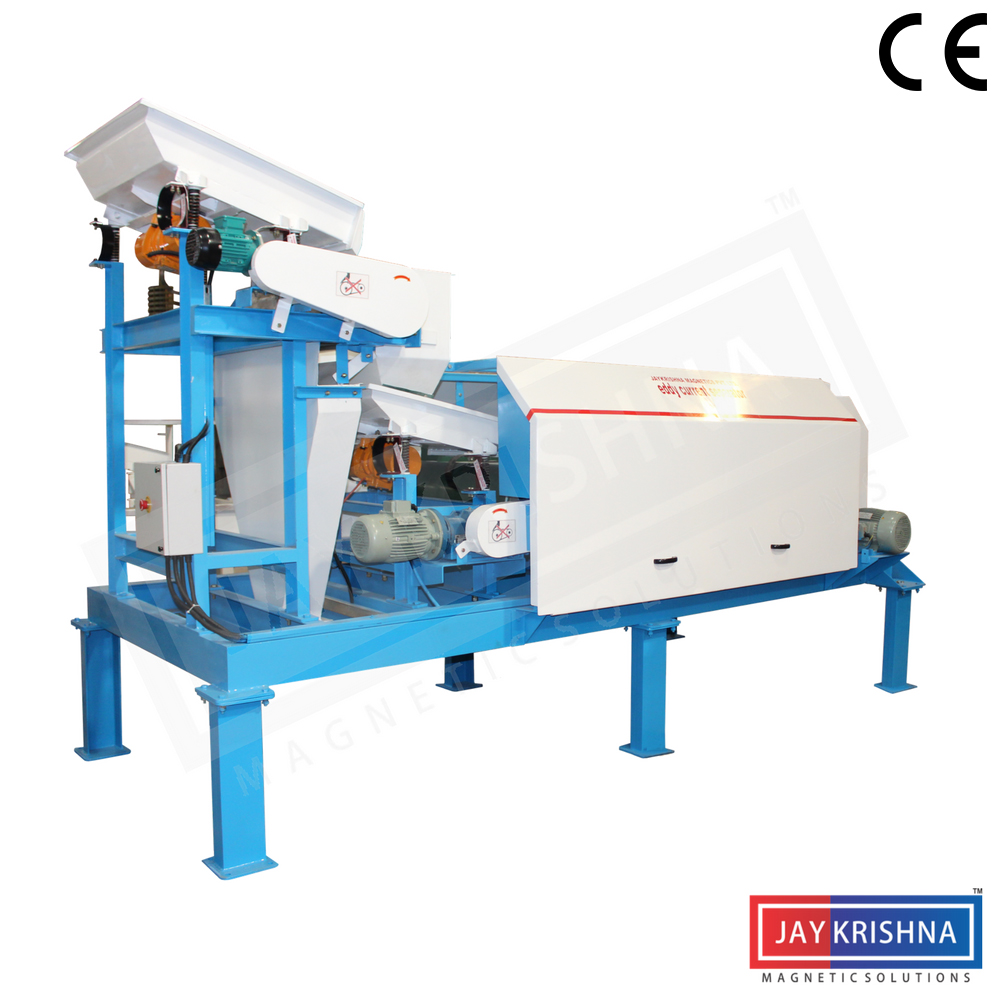
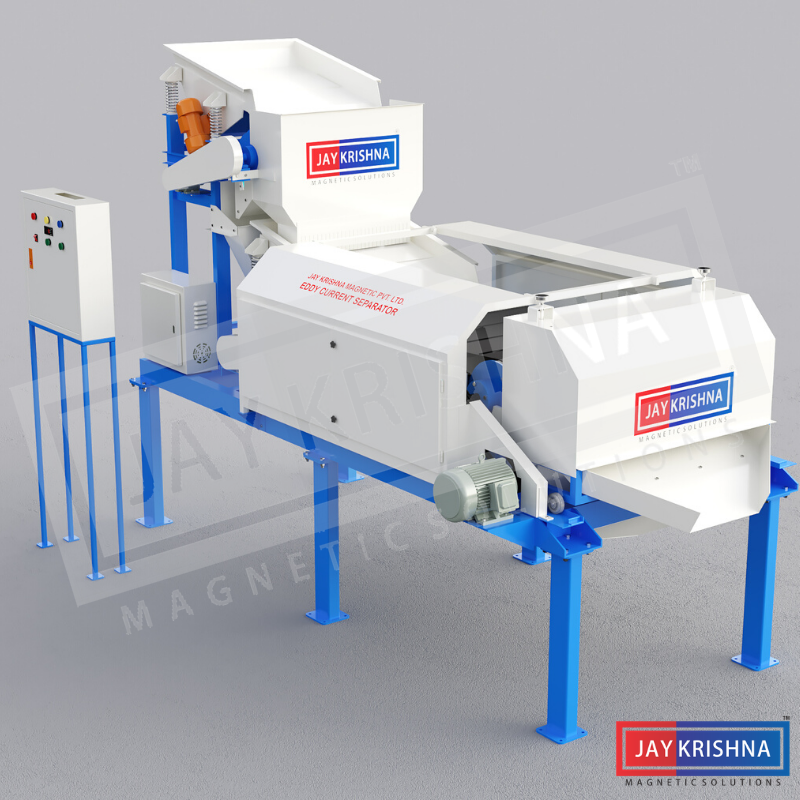
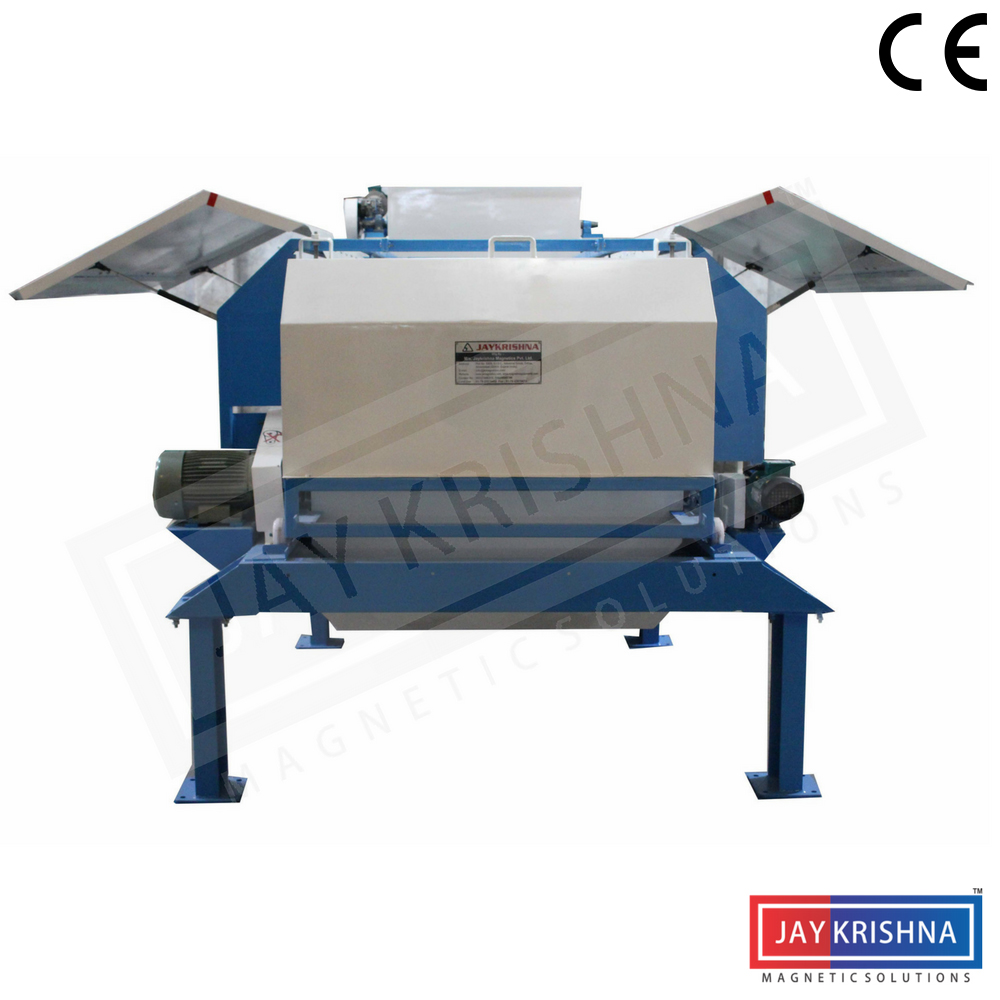
An Eddy Current Separator (ECS) is an advanced industrial machine designed to separate non-ferrous metals, such as aluminum and copper, from inert materials like foundry sand. As a premier magnetic machineries supplier, Jaykrishna Magnetic Pvt. Ltd. engineers these units with high-intensity rare earth magnets to ensure maximum metal recovery rates.
The system works by passing a thin layer of mixed material over a rapidly rotating magnetic rotor. This rotation induces “eddy currents” in the conductive metals, creating a magnetic field that opposes the rotor, effectively “flicking” the aluminum away from the sand.
How Does Aluminum Recovery Work in Foundry Sand?
To achieve the highest purity levels in an auto casting plant, the separation process must be structured and automated.
1. Uniform Feeding: The mixed foundry sand is fed onto the conveyor belt using an Electromagnetic Vibro Feeder or Vibratory Feeder. This ensures a thin, single-layer spread, which is essential for the magnetic field to interact effectively with every metal particle.
2. Magnetic Induction: As the material moves toward the end of the conveyor, it passes over the internal high-speed magnetic rotor.
3. The Repulsion Effect: The aluminum particles experience a strong repulsive force and are ejected into a recovery bin.
4. Final Sand Purification: The non-conductive sand follows its natural gravity-fed trajectory into a separate collection chute, now purified of metallic fragments.
Comparison: Eddy Current Separator vs. Standard Magnetic Drum
Foundries often use different types of magnetic machineries depending on the metal they need to extract.
| Feature | Eddy Current Separator (ECS) | Standard Magnetic Drum |
|---|---|---|
| Primary Target | Non-ferrous metals (Aluminum, Copper) | Ferrous metals (Iron, Steel) |
| Magnet Type | High-speed Rare Earth Rotor | Static Permanent Magnet |
| Separation Action | Repulsion (Flicks metal away) | Attraction (Pulls metal in) |
| Foundry Use Case | Recovering aluminum scrap from sand | Removing iron fins and chills |
| Energy Needs | Higher (Rotor & Belt motors) | Lower (Belt/Drum motor only) |
What Are the Technical Specifications of a Foundry ECS?
A high-quality ECS from a reliable magnetic machineries manufacturer typically includes the following technical features:
- Magnetic Material: High-intensity Neodymium-Iron-Boron (Nd-Fe-B) rare earth magnets.
- Rotor Speed: Variable high-speed rotation to match different particle sizes.
- Belt Type: Durable, thin-ply conveyor belts to minimize the gap between the magnet and the metal.
- Frame Construction: Heavy-duty stainless steel to prevent the machine from becoming magnetized.
Are you looking to upgrade your foundry waste management? Consult with Jaykrishna Magnetic today to find the right separation solution for your plant.
Step-by-Step Guide: Optimizing Aluminum Recovery
To get the most out of your magnetic machineries, follow this industrial checklist:
- Ferrous Removal: Use an Overband Magnetic Separator to remove iron first. Iron can damage the ECS rotor.
- Material Sizing: Screen the sand using a Vibrating Screening Machine to ensure particles are within a consistent size range.
- Feeder Calibration: Adjust the Vibratory Feeder to maintain a thin, even layer of sand on the ECS belt.
- Rotor Speed Adjustment: Increase rotor speed for smaller aluminum flakes and decrease it for larger chunks.
- Splitter Positioning: Fine-tune the splitter plate to maximize the “catch” of repelled aluminum while minimizing sand carryover.
Why is Aluminum Recovery from Foundry Sand Important?
- Cost Reduction: Reclaiming aluminum allows for the reuse of high-value metal, lowering raw material expenses.
- New Revenue Stream: Recovered non-ferrous metals can be sold to recyclers, turning waste into profit.
- Environmental Sustainability: Preventing metal contamination in landfills supports a circular economy.
- Sand Reusability: Removing metal impurities is essential for reclaiming and reusing sand in future casting cycles.
- Equipment Protection: Eliminating fragments prevents damage to mixers and conveyors, reducing downtime.
- Operational Efficiency: Automated magnetic machineries replace slow manual sorting with high-speed processing.
Which Industries Benefit from Aluminum Recovery?
While foundries are the primary users, several other sectors utilize magnetic machineries for aluminum extraction:
- Recycling Industry: Recovering aluminum from shredded E-waste and municipal solid waste.
- Glass Manufacturing: Removing aluminum caps and foil from crushed glass cullet.
- Plastic Recycling: Cleaning non-ferrous contaminants from plastic regrind.
- Mineral Processing: Using specialized Mineral Processing Equipment to purify industrial minerals.
Safety and Compliance Standards
Safety is paramount when operating high-speed Electromagnetic Equipments and separators. All our products are ISO Certified and comply with international manufacturing directives.
1. Magnetic Field Safety: Warning signs must be posted for personnel with pacemakers.
2. Guarding: All rotating parts, especially the high-speed ECS rotor, must be fully enclosed.
3. Dust Control: Foundries should be used enclosed Vibratory Equipment to prevent silica sand dust from becoming airborne.
4. Electrical Safety: Proper grounding of all motors and control panels is mandatory.
Conclusion
The implementation of an Eddy Current Separator is a strategic investment for any foundry looking to modernize its operations. By partnering with an experienced magnetic machineries manufacturer like Jaykrishna Magnetic Pvt. Ltd., companies can achieve higher purity in their recycled materials and significantly reduce waste.
Ready to optimize your mineral and metal recovery? Jaykrishna Magnetic Pvt. Ltd. offers customized solutions tailored to your specific foundry requirements. Contact our experts today.
Frequently Asked Questions (FAQs)
1. What is the recovery rate for an Eddy Current Separator?
A well-tuned ECS from a leading magnetic machineries manufacturer can recover over 95% of non-ferrous metals from the feed stream.
2. Can an ECS remove stainless steel?
Standard ECS units are designed for highly conductive metals like aluminum. Some grades of stainless steel are less conductive and may require high-intensity Roller Type Magnetic Separators.
3. How do I maintain my Eddy Current Separator?
Regular maintenance involves checking belt tension, cleaning the rotor shell of any fine iron buildup, and lubricating the high-speed bearings.
4. What size of aluminum can be recovered from foundry sand?
Jaykrishna Magnetic Pvt. Ltd. systems can recover particles as small as 2mm, though recovery efficiency is highest for pieces 5mm and larger.
5. Does the sand need to be dry for the ECS to work?
Yes, dry sand flows better on Vibratory Equipments and allows the aluminum to be repelled more freely than wet, clumpy sand.
6. Why should I choose Jaykrishna Magnetic Pvt. Ltd.?
With 47+ years of experience and 5,000+ global customers, we are a trusted magnetic machineries supplier known for indigenous innovation and quality.
7. Are these machines “Make in India”?
Yes, all our Permanent Magnetic Equipment and separators are manufactured entirely at our Ahmedabad facility.
8. How long does an ECS last?
With proper maintenance, the rare earth magnets in an ECS can last for decades, with only the wear of parts like belts needing periodic replacement.