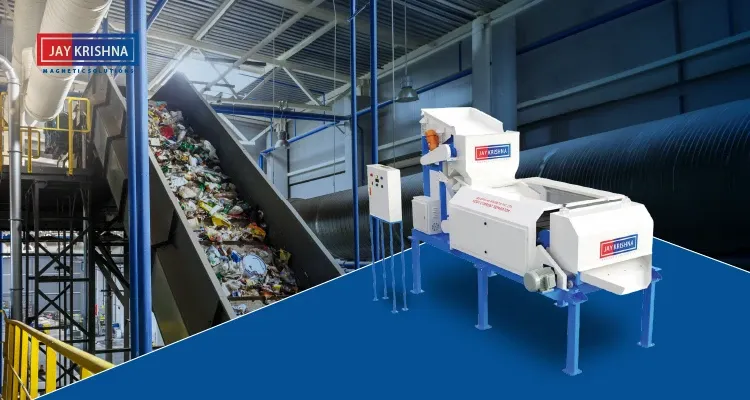
Maintenance Checklist for Eddy Current Separators
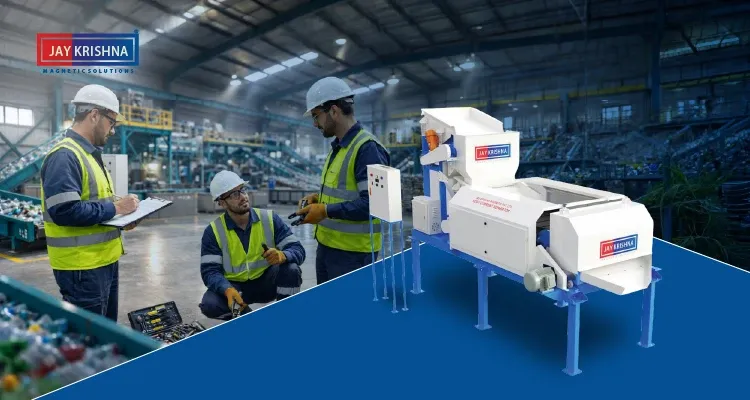
Introduction
A proper maintenance routine can increase your Eddy Current Separator’s lifespan by 40% and improve metal recovery rates by up to 15%. This complete maintenance checklist covers everything you need to inspect, clean, lubricate, and repair your ECS equipment.
Eddy Current Separators (ECS) work hard in demanding environments. Jaykrishna Magnetics Pvt. Ltd. handle abrasive materials, run at high speeds, and operate for long hours. Without regular maintenance, performance drops fast. Metal recovery decreases. Breakdowns happen at the worst times.
This guide gives plant managers, maintenance technicians, and equipment operators a clear, step-by-step checklist. Follow it to keep your separator running efficiently for years.
Key Takeaways
- Daily checks prevent 70% of unexpected failures – just 15 minutes catches problems early
- Weekly lubrication is critical – bearings fail fast without proper grease
- Monthly measurements reveal trends – track vibration, temperature, and gap readings
- Quarterly deep inspections extend life – detailed checks prevent surprises
- Annual overhauls reset the clock – comprehensive service keeps equipment like new
- Safety comes first – always follow LOTO procedures
- Documentation drives improvement – good records optimize maintenance schedules
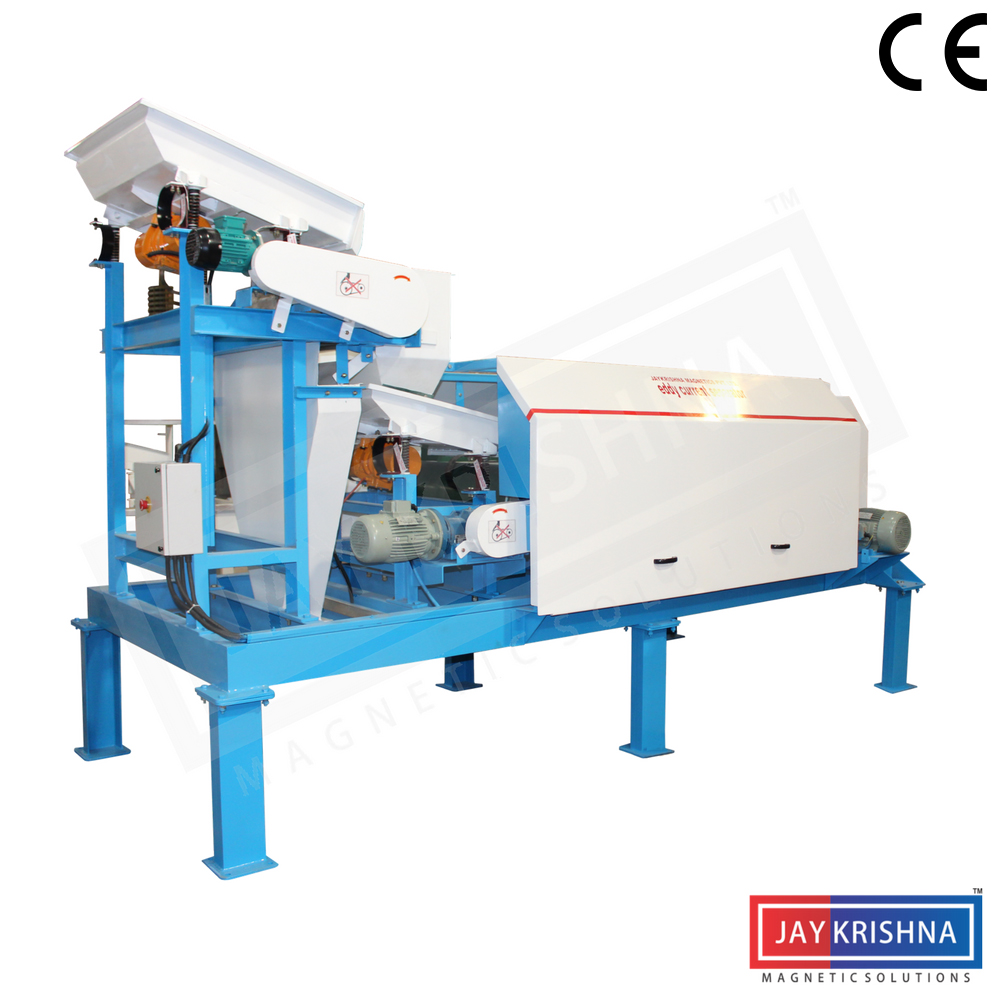
What Is an Eddy Current Separator?
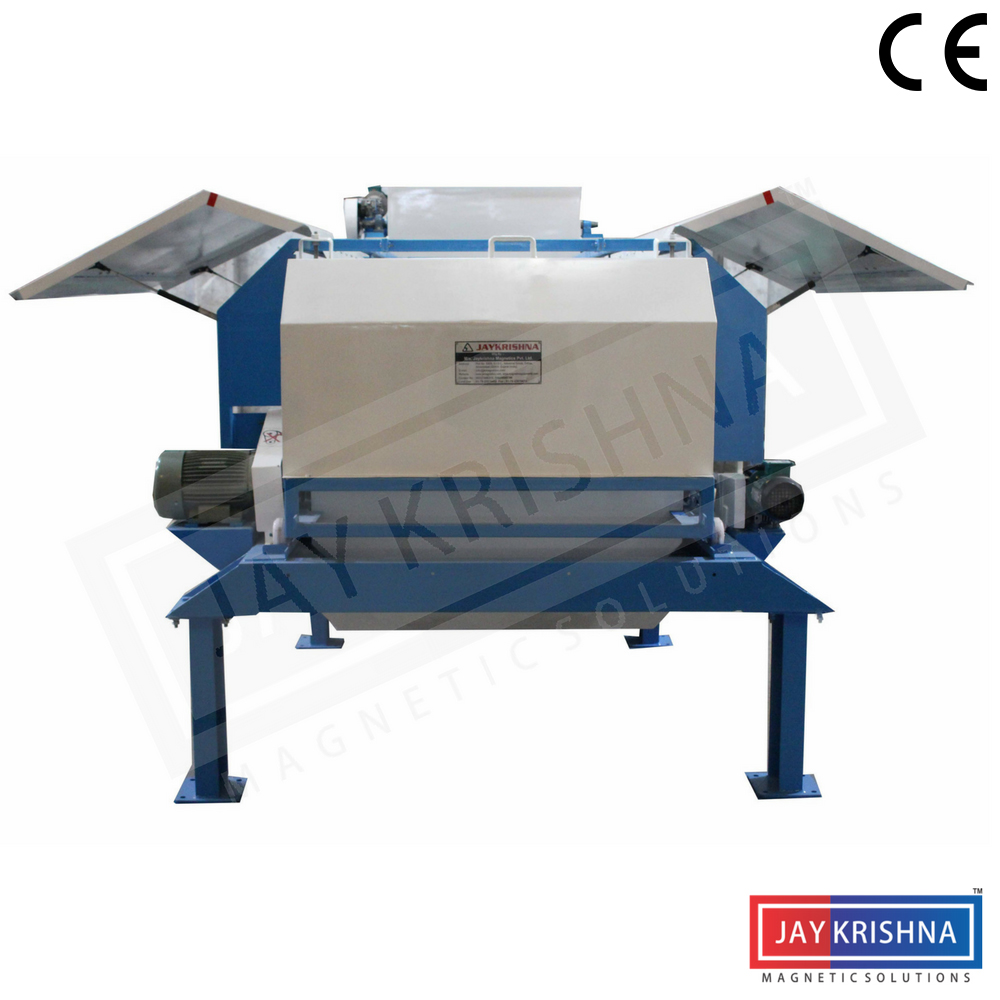
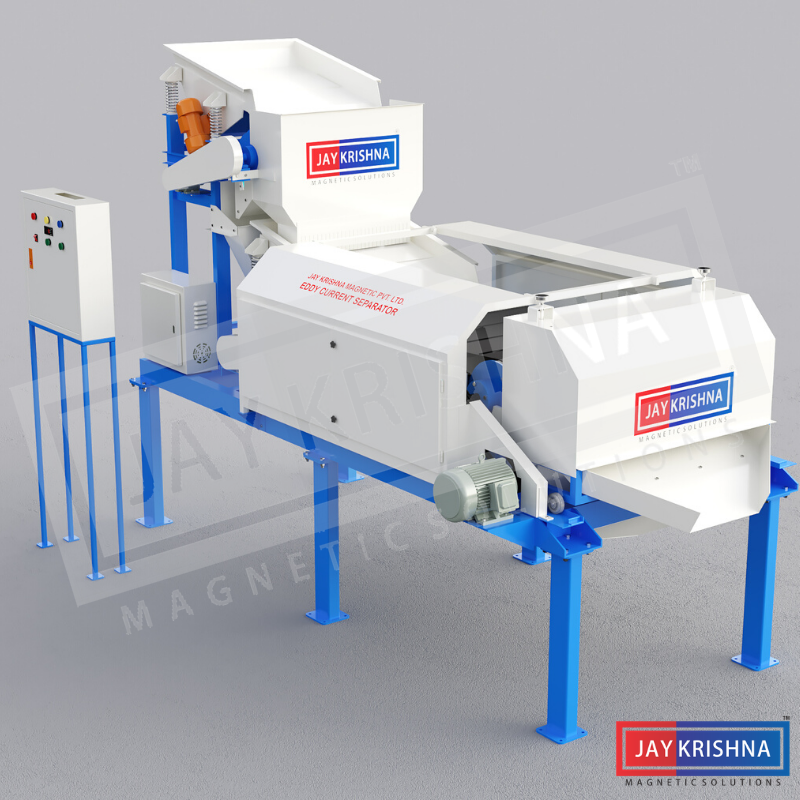
An Eddy Current Separator is a machine that removes non-ferrous metals from mixed material streams. It uses a high-speed rotating magnetic drum to induce electrical currents in conductive metals. These currents create a repelling force that throws metals like aluminum, copper, and brass away from other materials.
Key components that need maintenance include:
- Magnetic rotor (high-speed rotating drum with rare-earth magnets)
- Shell drum (non-magnetic outer cover)
- Conveyor belt and pulleys
- Drive motors and gearboxes
- Bearings and seals
- Splitter and discharge chute
- Control panel and sensors
Each component has specific maintenance needs. Neglecting any part affects the whole system.
Why Is Regular ECS Maintenance Critical?
Regular maintenance prevents three major problems:
- Performance Loss– Wornbelts slip. Misaligned splitters send good metal to waste. Weak magnets reduce separation force. Small issues compound into major efficiency losses.
- UnexpectedDowntime– A bearing that fails without warning stops your entire line. Emergency repairs cost 3–5 times more than scheduled maintenance. Parts may take days or weeks to arrive.
- Shortened Equipment Life– Components that run without proper care wear out faster. A rotor bearing rated for 5 years may fail in 2 years without proper lubrication.
Investing 2–4 hours per week in maintenance saves hundreds of hours in downtime annually.
Daily Maintenance Checklist
Daily checks catch small problems before they grow.
Visual Inspection:
- Check belt for cuts, tears, or worn edges
- Look for material buildup on belt and under rotor
- Verify belt runs centered on all pulleys
- Inspect guards and safety covers
- Check for loose bolts or oil leaks
Operational Checks:
- Listen for grinding, squealing, or rattling sounds
- Feel motor and bearing housings for excessive heat
- Verify separated metals land in correct collection area
- Monitor control panel for error codes
Cleaning:
- Remove material buildup from belt surface
- Clear jammed material from discharge areas
- Clean sensor lenses if equipped
Weekly Maintenance Checklist
Belt System:
- Measure and adjust belt tension
- Check belt splice condition
- Inspect and clean all pulleys
- Verify belt tracking adjustments
Lubrication Tasks:
| Component | Lubricant | Quantity |
| Main bearings | NLGI #2 grease | 2–3 pumps |
| Conveyor bearings | NLGI #2 grease | 1–2 pumps |
| Drive chain | Chain lubricant | Light coat |
| Gearbox | Check oil level | Top up if low |
Important: Over-greasing bearings are as harmful as under-greasing. Follow manufacturer specifications.
Drive System:
- Inspect drive belts for cracks or fraying
- Check motor mounts for looseness
- Verify coupling alignment
- Listen to gearbox for unusual noise
Monthly Maintenance Checklist
Rotor and Shell Inspection:
- Measure gap between rotor and shell drum
- Check shell for wear, dents, or flat spots
- Verify rotor spins freely without binding
- Look for signs of rotor contact with shell
Gap Measurement Guidelines:
| Gap Size | Condition | Action Required |
| 2–5mm | Normal | Continue monitoring |
| 5–8mm | Marginal | Plan shell replacement |
| >8mm | Critical | Replace immediately |
Bearing Inspection:
- Check temperatures with infrared thermometer
- Listen to bearings with mechanic’s stethoscope
- Feel for excessive play
- Inspect seals for damage
Temperature Guidelines:
| Temperature | Status | Action |
| Below 70°C | Normal | Monitor |
| 70–85°C | Warning | Investigate |
| Above 85°C | Critical | Stop and repair |
Vibration Analysis:
- Measure vibration at main bearings
- Compare to baseline readings
- Note any sudden increases
Quarterly Maintenance Checklist
Comprehensive Belt Inspection:
- Remove belt for detailed examination
- Check thickness at multiple points
- Inspect splice for wear or separation
- Measure belt width (worn belts narrow over time)
Belt Replacement Indicators:
- Visible cord through cover
- Cracks that flex open under bending
- Edge wear exceeding 10% of original width
- Hardened, inflexible material
Electrical System:
- Perform thermal scan of connections
- Check motor insulation resistance
- Verify all sensors function
- Review fault logs for patterns
Alignment Verification:
- Check motor-to-gearbox alignment
- Verify pulley alignment on all drives
- Inspect shaft condition
Performance Testing:
- Run test material through system
- Measure recovery rate
- Compare to baseline performance
- Adjust rotor speed if needed
Annual Maintenance Checklist
Rotor Service:
- Remove and clean rotor
- Inspect magnets for damage
- Measure magnetic field strength
- Check rotor balance
- Replace rotor bearings
Magnetic Strength Guidelines:
| Field Strength vs. Original | Action |
| 90–100% | Continue use |
| 80–90% | Plan replacement |
| Below 80% | Replace rotor |
Shell Drum Assessment:
- Measure thickness at multiple points
- Check for cracks or stress fractures
- Replace if below minimum thickness
Complete Drive Overhaul:
- Replace all drive belts
- Change gearbox oil and seals
- Replace worn pulleys
- Install new coupling elements
Control System Audit:
- Update software if available
- Calibrate all sensors
- Test all safety systems
- Document all settings
Essential Safety Procedures
Lockout/Tagout Requirements:
- Shut down equipment using normal procedures
- Isolate all energy sources
- Apply locks and tags to isolation points
- Verify zero energy state before work
Magnetic Safety Precautions:
- Remove all metal objects from pockets
- Keep tools secured
- Warn pacemaker users
- Never place hands between rotor and shell
Spare Parts to Keep in Stock
Maintain these critical spares to minimize downtime:
High-Priority Spares (Keep On-Site)
- Conveyor belt (complete replacement)
- Main bearings (full set)
- Drive belts
- Belt scrapers
- Lubricants (grease and oil)
- Seals and gaskets
- Fasteners (bolts, nuts, washers)
- Fuses and common electrical components
Medium-Priority Spares (Keep or Quick-Order)
- Shell drum
- Pulleys
- Motor couplings
- Tensioner assemblies
- Sensors and switches
- VFD if critical application
Long-Lead Items (Plan Ahead)
- Magnetic rotor
- Drive motors
- Gearboxes
- Control panels
- Custom fabricated parts
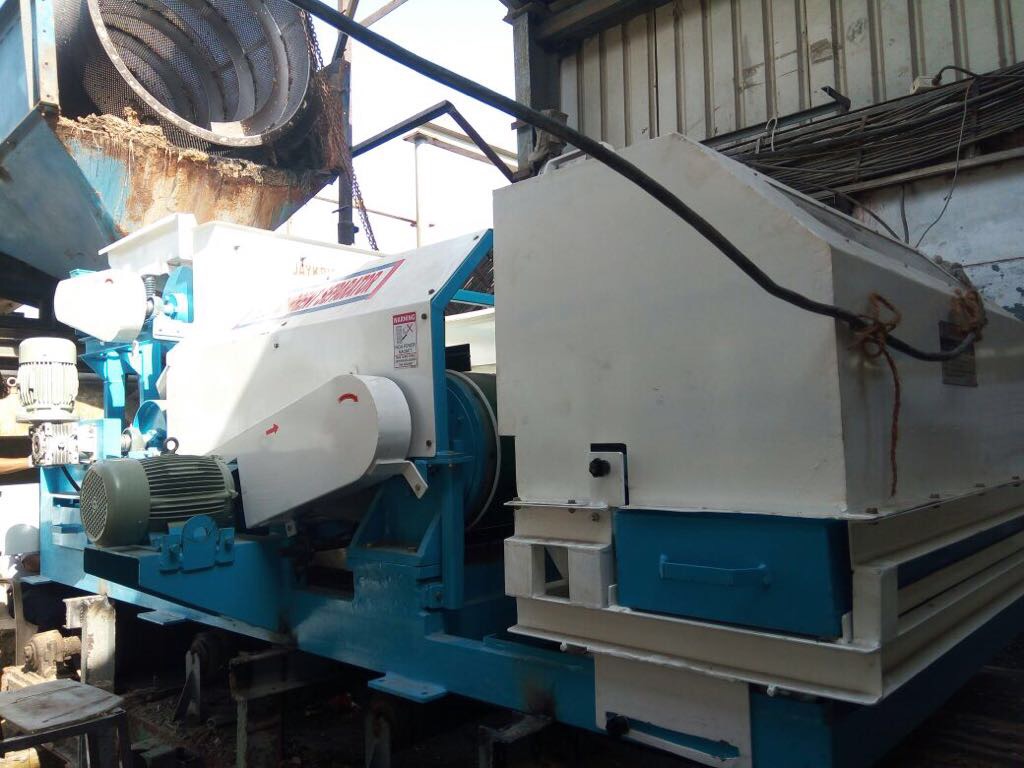
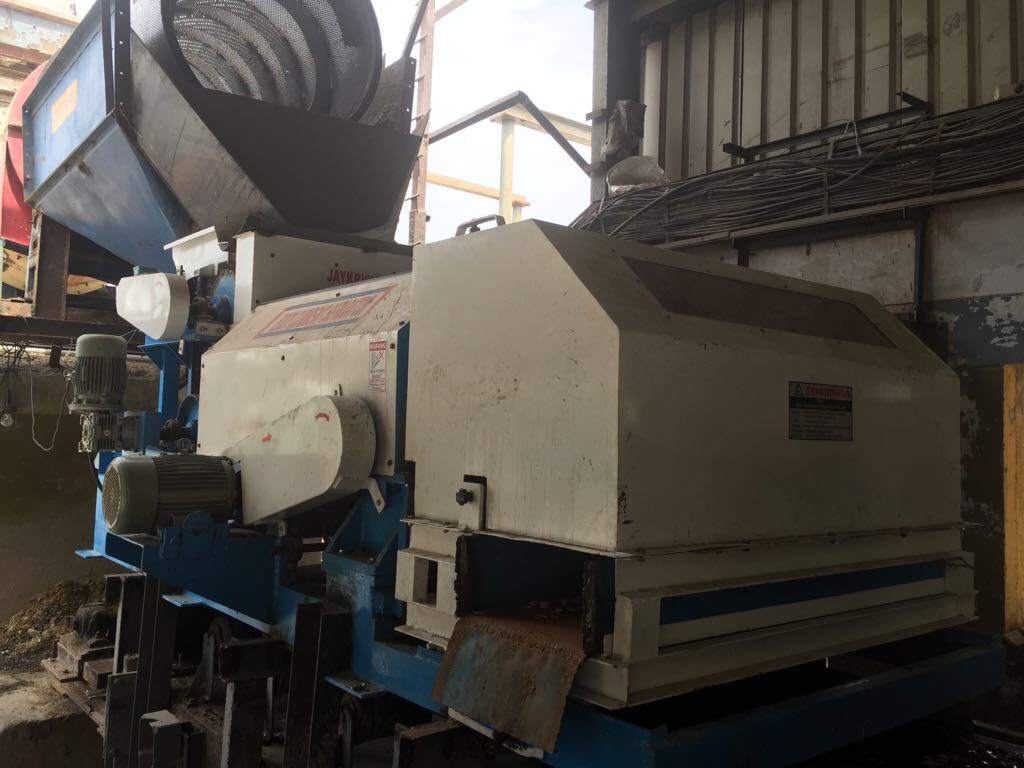
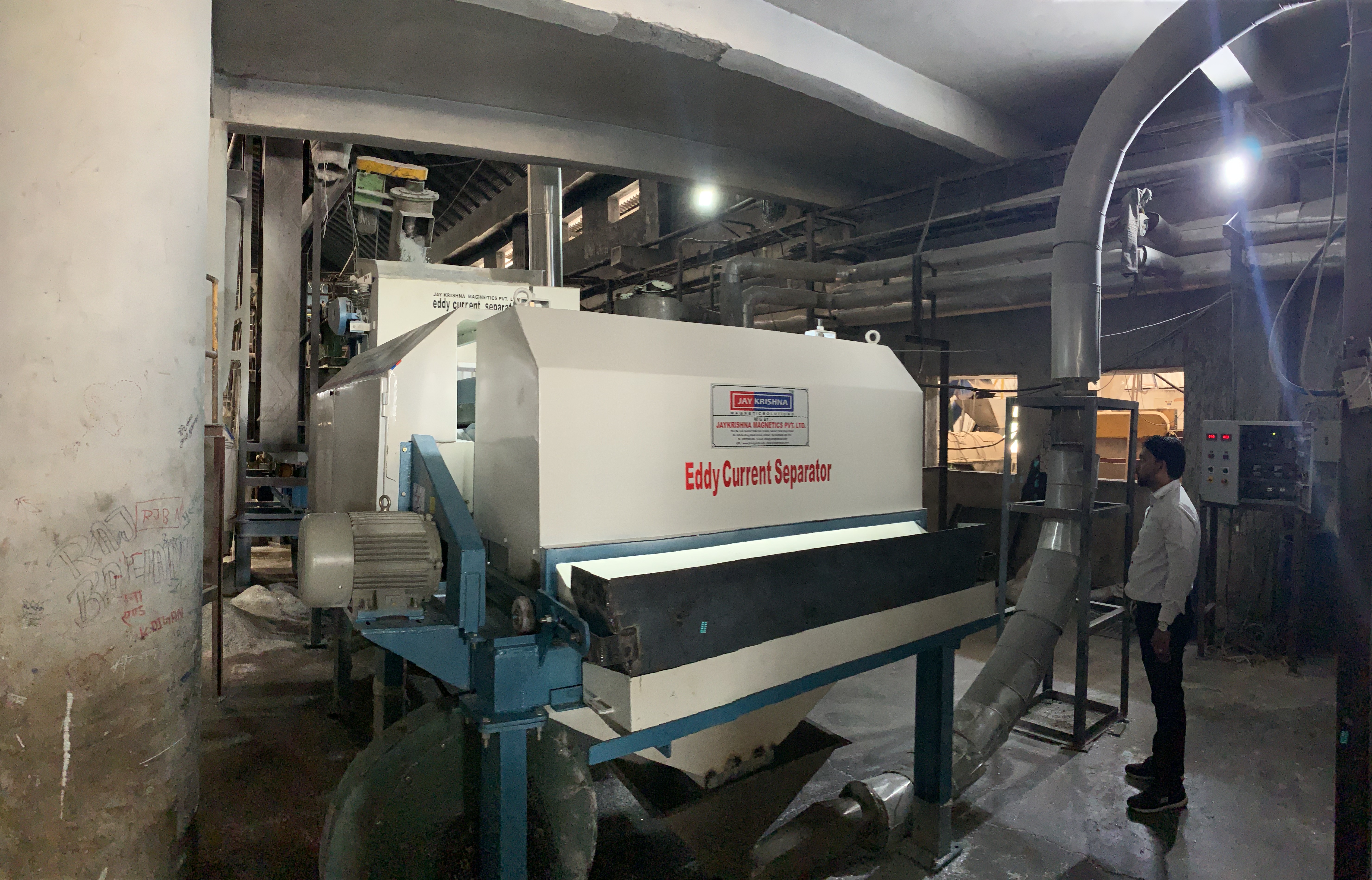
Partner with a Trusted Magnetic Machineries Supplier
Proper maintenance keeps your Eddy Current Separator running efficiently. But even the best maintenance program needs quality equipment and expert support.
Jaykrishna Magnetics Pvt. Ltd. is a leading magnetic separator manufacturer and magnetic machineries supplier serving industries worldwide. We provide:
- Permanent Magnetic Equipments for reliable ferrous metal separation
- Electromagnetic Equipments for heavy-duty applications
- Vibratory Equipments for consistent material feeding
- Mineral Processing Equipments for complete separation solutions
Our technical team offers maintenance training, spare parts supply, and on-site service support.
Need help optimizing your separation equipment? Request a consultation with our engineers today.
Jaykrishna Magnetics Pvt. Ltd. – Your partner for magnetic separation solutions in recycling, food processing, cement, steel, chemical, ceramic, and mineral processing industries.
Frequently Asked Questions (FAQs)
1. How often should I grease the bearings on my Eddy Current Separator?
Weekly greasing is standard for most ECS bearings. Use 2–3 pumps of NLGI #2 grease per bearing. Check your manufacturer’s specifications for exact requirements.
2. What is the normal operating temperature for ECS bearings?
Bearing temperatures should stay below 70°C (158°F). Temperatures between 70–85°C indicate a warning condition. Above 85°C requires immediate attention.
3. How do I know when to replace the shell drum?
Replace the shell when the rotor-to-shell gap exceeds 8mm or when you see signs of rotor contact. Measure thickness monthly and track wear rate to predict replacement timing.
4. What rotor speed should I use for my application?
Optimal rotor speed depends on your material type and size. Most ECS units run between 2,000–3,500 RPM. Contact your equipment supplier for specific recommendations.
5. How long should an Eddy Current Separator last?
With proper maintenance, an ECS can operate for 15–20 years. Rotors may need to rebuild every 7–10 years. Shell drums typically last 2–5 years depending on material abrasiveness.
6. Can I perform maintenance while the ECS is running?
Only visual inspections and observations should be done during the operation. All hands-on maintenance requires complete lockout/tagout of all energy sources.
7. What causes sudden drops in metal recovery rates?
Common causes include incorrect splitter position, worn shell drum, reduced rotor speed, or changes in feed material. Check each factor systematically to identify the problem.
8. How do I test if my rotor magnets are still strong enough?
Use a gaussmeter to measure magnetic field strength at the rotor surface. Compare readings to original specifications. Rotors below 80% of original strength need replacement.
Read More:
- Top 5 Magnetic Separation Challenges in Waste & Recycling—and How to Overcome Them
- Electro Magnetic Vibro Feeder with Stand – Everything You Need to Know
- What to Ask Before Buying an Eddy Current Separator?