
Exploring the Fundamentals of Color Sorting Machine Technology
Introduction
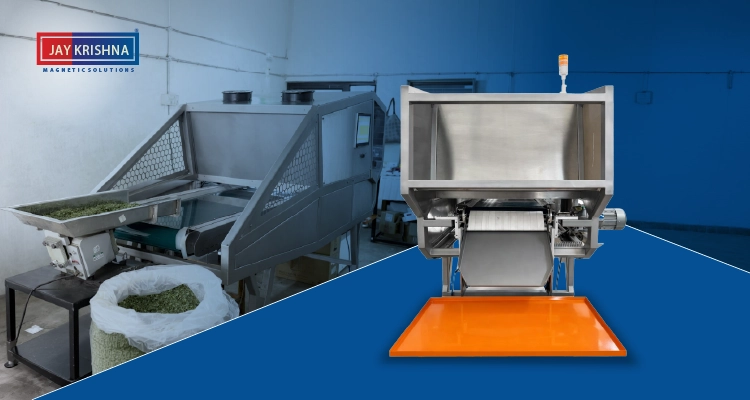
Color sorting machines use advanced optical sensors and high-speed ejection systems to separate materials based on color, shape, and size. These machines are essential across the recycling, food-processing, mineral-processing, and ceramic industries. They improve product purity, reduce manual labor, and increase throughput – all in a single automated pass.
For industries that already rely on magnetic separators and vibratory equipment to process bulk materials, color sorting technology is the next logical step in building a complete, high-efficiency processing line.
Key Takeaways
- Color sorting machines separate materials by color, shape, and composition using optical sensors and air ejection.
- RGB and NIR sorters offer the highest accuracy for complex material streams.
- Color sorters deliver best results when placed after magnetic separation and vibratory screening.
- Always verify sorting accuracy, sensor type, throughput capacity, and safety certifications before buying.
- A trusted magnetic machineries manufacturer ensures seamless upstream equipment integration.
- Regular maintenance and sensor calibration extend machine life beyond 10 years.
What Is a Color Sorting Machine and How Does It Work?
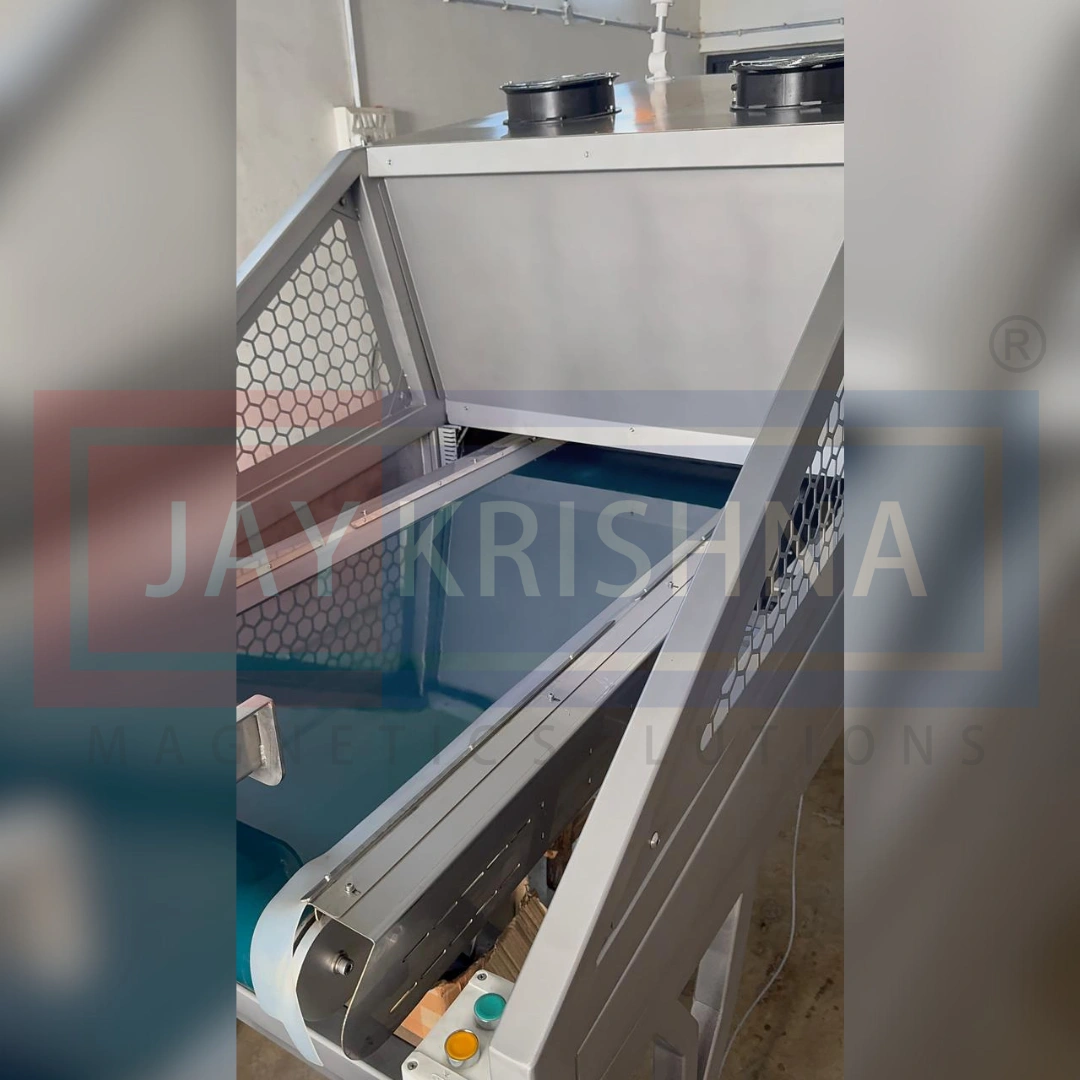
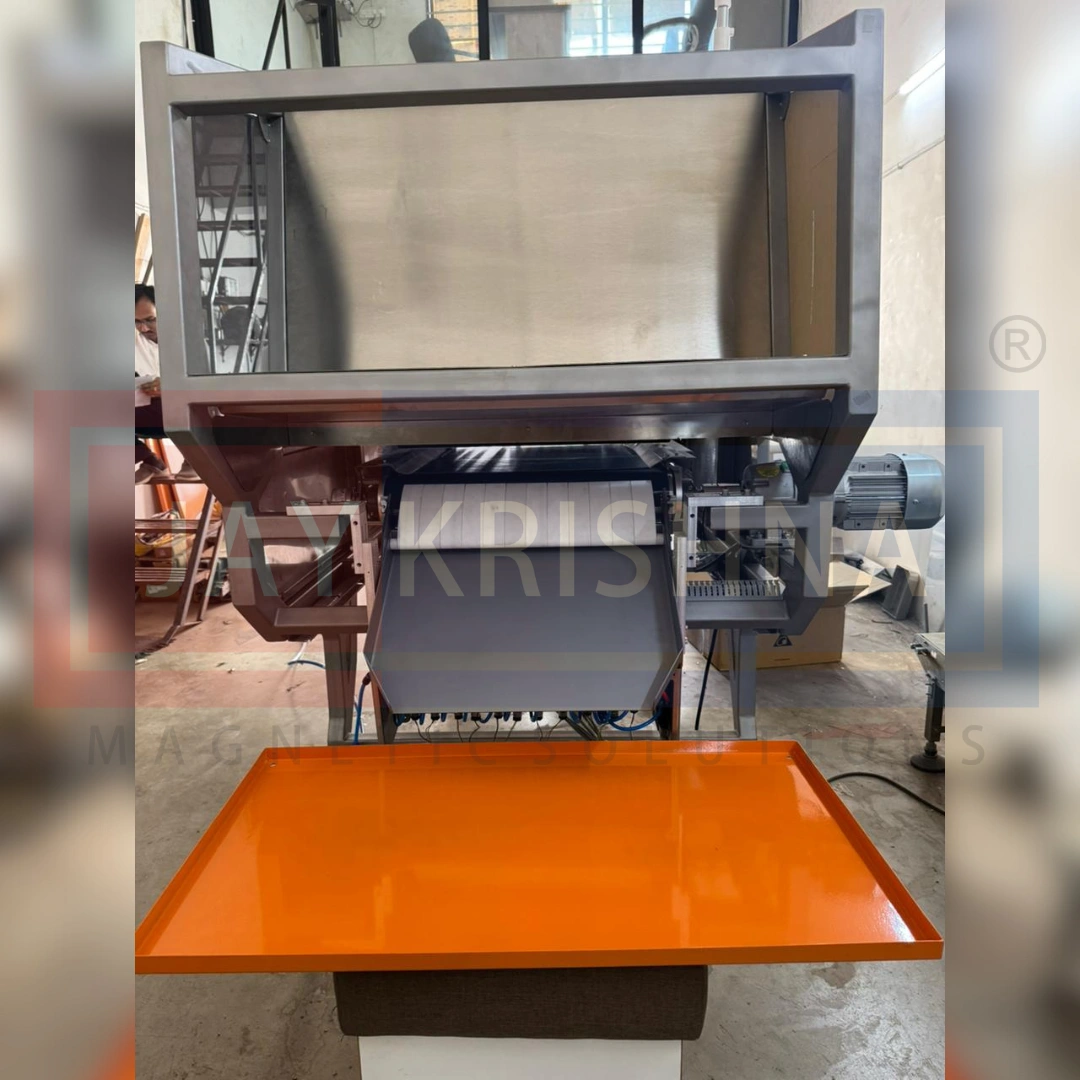
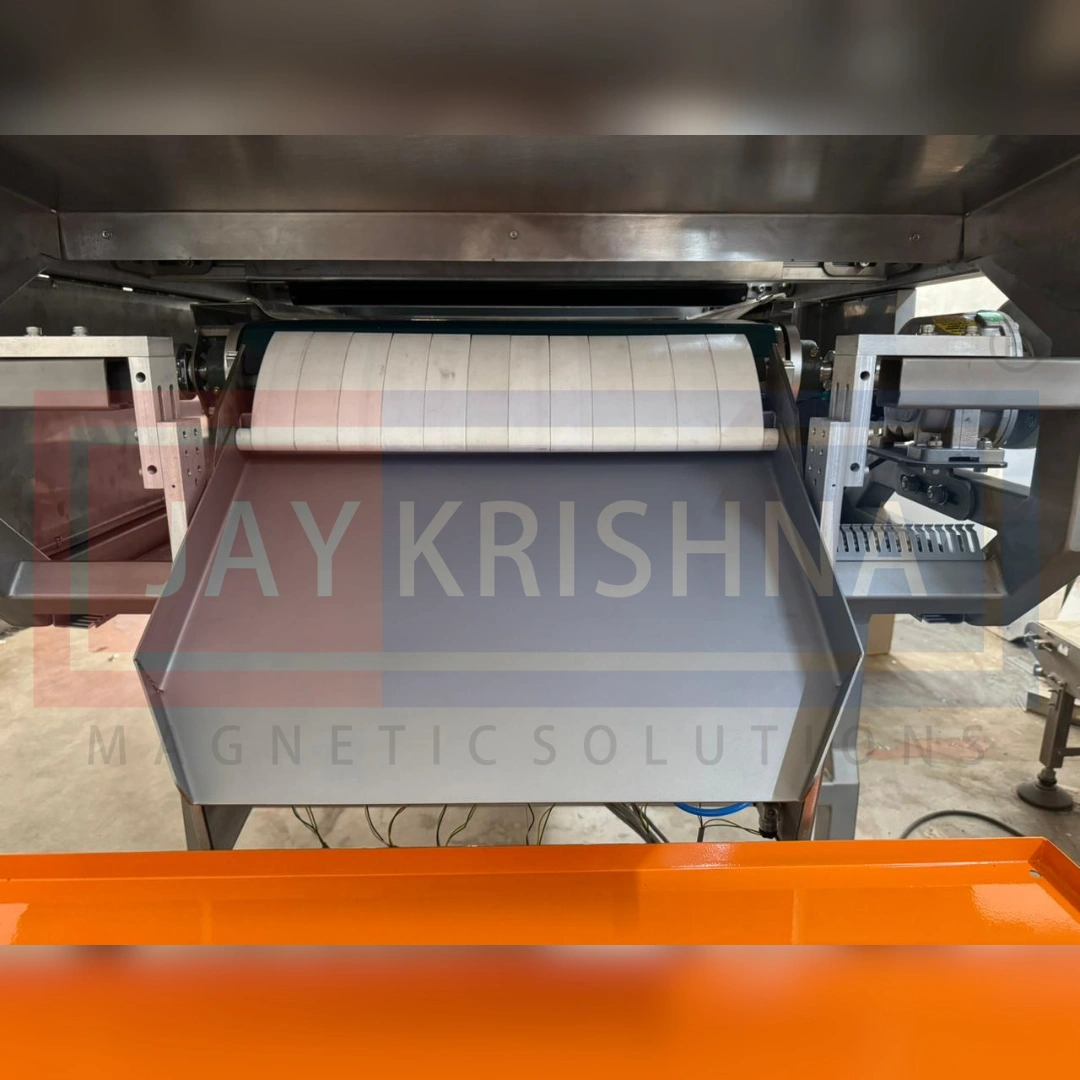
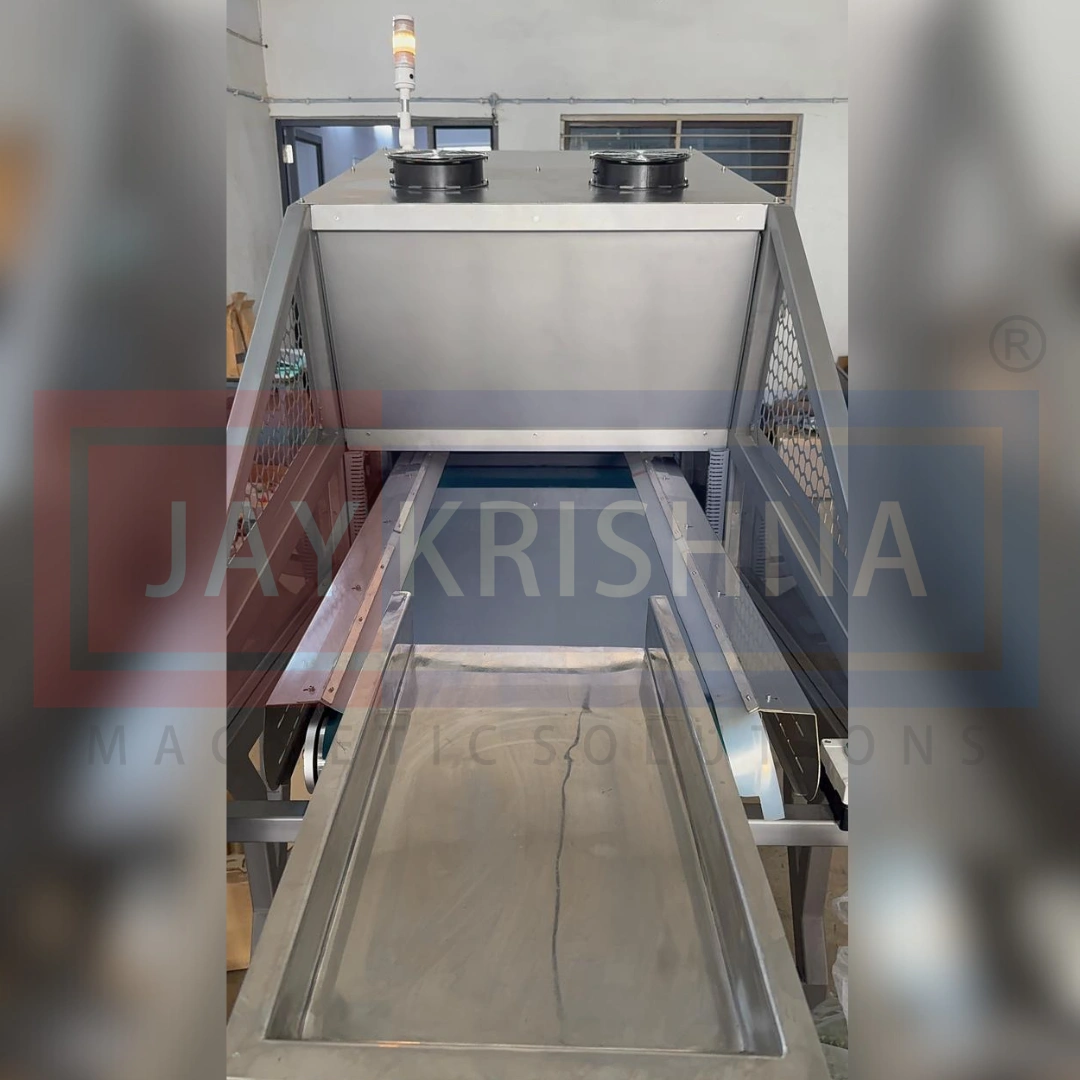
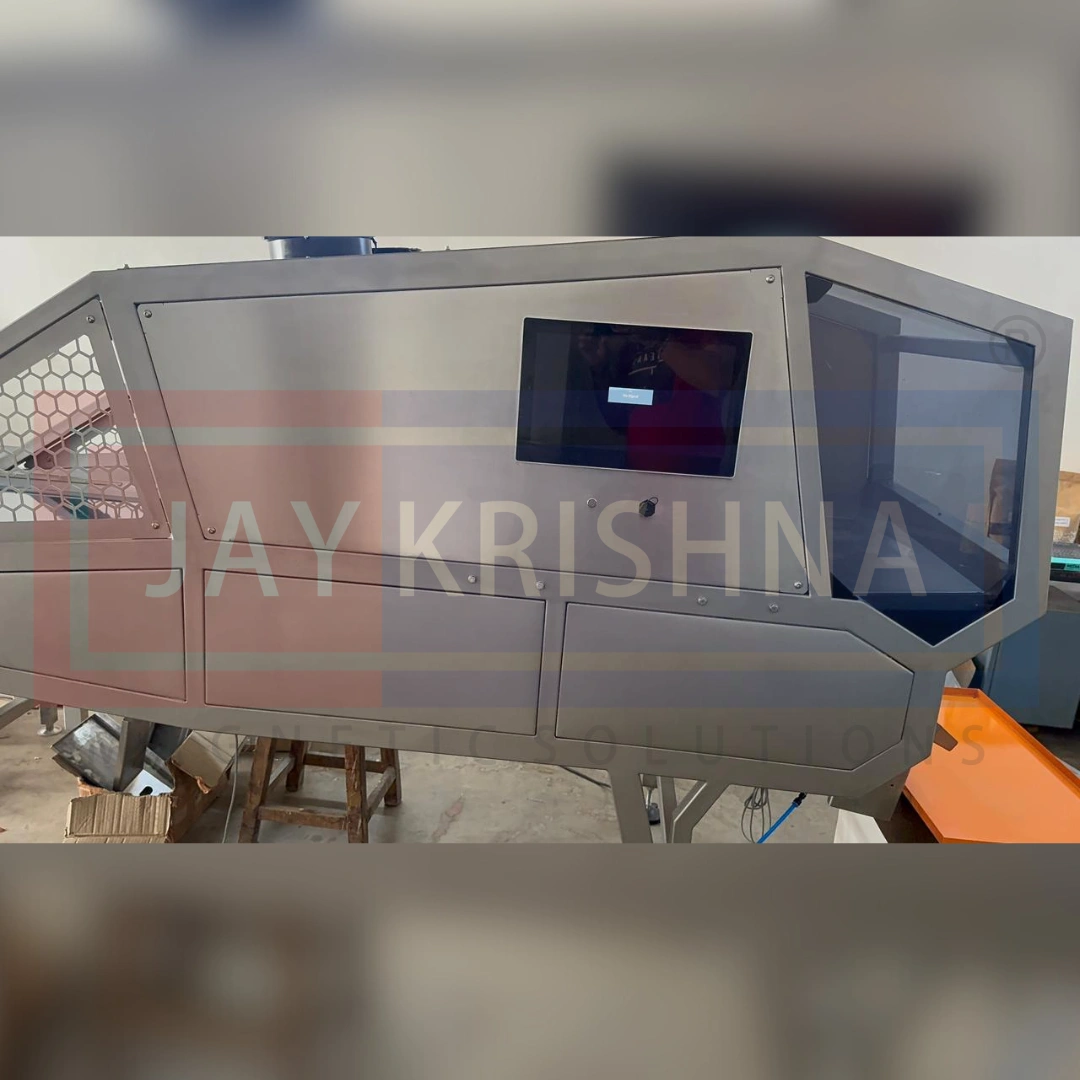
A color sorting machine is an automated inspection system that identifies and removes defective or unwanted materials from a product stream based on color differences.
The basic working principle involves three stages:
- Feeding – Material is fed onto a vibrating chute or belt that arranges items into a single layer for scanning.
- Detection – High-resolution optical sensors (CCD or infrared cameras) scan each particle as it passes through the inspection zone.
- Ejection – Compressed air jets eject rejected particles with pinpoint accuracy, separating them from the accepted product stream.
Modern color sorters process thousands of particles per second. They can detect color variations as subtle as a few shades, making them ideal for quality-critical applications.
Why Is Color Sorting Technology Important for Industrial Processing?
Color sorting directly impacts product quality, regulatory compliance, and operational profitability. Without it, manufacturers risk shipping contaminated or off-spec products.
Key benefits include:
- Higher product purity – Removes discolored, foreign, or defective materials automatically.
- Reduced manual sorting costs – Replaces or supplements labor-intensive hand-picking processes.
- Increased throughput – Processes large volumes at consistent speeds without fatigue or error.
- Regulatory compliance – Helps meet food safety (FSSAI, FDA) and export quality standards.
- Waste reduction – Recovers usable material that manual sorting might reject unnecessarily.
Industries such as food-processing, recycling, mineral-processing, and ceramics benefit the most from color sorting integration.
Types of Color Sorting Machines
Color sorters are classified by their detection technology and application. Choosing the right type depends on the material being processed and the level of sorting precision required.
| Type | Detection Method | Best For | Sorting Accuracy |
| Monochromatic Sorter | Single-wavelength optical sensor | Basic color defects (e.g., dark grains in rice) | Moderate |
| Bichromatic Sorter | Dual-wavelength sensor | Two-tone color variations | High |
| Full-Color (RGB) Sorter | Tri-chromatic CCD camera | Complex color differences across multiple shades | Very High |
| Infrared (NIR) Sorter | Near-infrared spectroscopy | Material composition sorting (plastics, minerals) | Very High |
| Combined (RGB + NIR) Sorter | Multi-sensor fusion | Mixed-material streams, recycling, mining | Highest |
For recycling and mineral-processing operations, combined RGB and NIR sorters deliver the best results because they can distinguish materials by both color and chemical composition.
Which Industries Use Color Sorting Machines?
Color sorting technology serves a wide range of industries. Each sector uses it to solve specific quality and contamination challenges.
- Food-Processing – Sorting grains, pulses, nuts, spices, and seeds to remove discolored, damaged, or foreign particles.
- Recycling Industry – Separating plastics, glass, and metals by color and polymer type for cleaner recycling output.
- Mineral Processing – Grading ores, gemstones, and industrial minerals by color and composition.
- Ceramic Industry – Removing off-color raw materials before entering the production process.
- Chemical Industry – Sorting granular chemicals and fertilizers to ensure batch consistency.
In most of these industries, color sorting machines work alongside magnetic separators and vibratory screening equipment to form a complete material processing line.
How Does a Color Sorter Fit into a Processing Line?
A color sorter is most effective when placed after initial separation and screening stages. Here is a typical processing sequence:
- Raw material intake – Bulk material enters the system.
- Magnetic separation – Permanent magnetic equipment and electromagnetic equipment remove metal contaminants from the material stream.
- Vibratory screening – Vibratory equipment sorts of material by size, removing oversized or undersized particles.
- Color sorting – The color sorter scans the sized and de-metalized material, rejecting off-color or defective particles.
- Final collection – Accepted material moves to packaging, storage, or the next processing stage.
This integrated approach ensures maximum product purity and processing efficiency. A trusted magnetic machineries manufacturer like Jaykrishna Magnetics Pvt. Ltd. can supply the upstream equipment including permanent magnetic separators, electromagnetic separators, and vibratory feeders needed to build a seamless processing line.

What Should You Check Before Buying a Color Sorting Machine?
- Throughput capacity – Does the machine handle your required volume (tons per hour)?
- Sorting accuracy – What is the defect rejection rate? Look for 99%+ accuracy.
- Number of chutes – More chutes mean higher capacity. Match chute counts to your production needs.
- Sensor technology – RGB, NIR, or combined? Choose based on your material type.
- Ejector precision – Check the air valve response time (measured in milliseconds).
- Software and interface – Are the control system user-friendly? Does it allow custom sorting recipes?
- Maintenance access – Are components easy to clean, replace, and service?
- Integration compatibility – Can it connect with your existing vibratory feeders, conveyors, and magnetic separators?
- After-sales support – Does the supplier offer installation, training, and spare parts?
What Safety Standards Apply to Color Sorting Machines?
- FDA 21 CFR – Applicable to food-contact surfaces in the United States.
- FSSAI Regulations – Required for food processing equipment in India.
- CE Marking – Mandatory for equipment sold in the European Union.
- ISO 9001 – Quality management system certification for the manufacturer.
- ATEX Certification – Required if the machine operates in explosive dust environments (grain, chemical processing).
Always verify that the color sorter and all upstream equipment, including magnetic separators and vibratory screens, meet the relevant safety standards for your industry and geography.
Key Factors That Affect Machine Lifecycle
A well-maintained color sorting machine typically lasts 8 to 15 years, depending on usage of intensity, material abrasiveness, and maintenance practices.
- Sensor degradation – Optical sensors may need recalibration or replacement every 3–5 years.
- Ejector valve wear – High-speed air valves are consumable components. Replace as recommended by the manufacturer.
- Software updates – Regular firmware and algorithm updates improve sorting accuracy over time.
- Cleaning schedule – Dust and residue buildup on sensors reduces detection accuracy. Daily cleaning is recommended.
- Environmental conditions – Humidity, temperature, and dust levels in the operating environment directly impact component life.
Conclusion
Color sorting machine technology is a critical quality control tool for any material processing operation. But its effectiveness depends on what comes before it in the processing line. Magnetic separators remove metal contaminants. Vibratory equipment handles sizing and feeding. The color sorter delivers the final quality pass.
Jaykrishna Magnetics Pvt. Ltd. has decades of experience as a trusted magnetic machineries manufacturer and supplier, helping industries across India and globally build efficient, high-purity processing systems.
Ready to optimize your processing line from start to finish? Get in touch with Jaykrishna Magnetics today for expert guidance and a customized equipment quote.
Frequently Asked Questions (FAQs)
1. What is the basic principle of a color sorting machine?
A color sorting machine scans materials using optical sensors, identifies color defects or foreign particles, and ejects them using compressed air jets. The entire process happens in milliseconds.
2. Which industries benefit most from color sorting technology?
Food-processing, recycling, mineral-processing, ceramic, and chemical industries use color sorters to improve product purity and reduce contamination.
3. Can a color sorter work with magnetic separators and vibratory equipment?
Yes. Color sorters are typically placed after magnetic separation and vibratory screening equipment in a processing line for maximum efficiency and purity.
4. What is the difference between RGB and NIR color sorters?
RGB sorters detect visible color differences. NIR sorters detect material composition using infrared wavelengths. Combined RGB+NIR sorters offer the most comprehensive sorting capability.
5. How accurate are modern color sorting machines?
High-end color sorters achieve sorting accuracy rates above 99%, depending on the material and sensor configuration used.
6. What maintenance does a color sorter require?
Daily sensor cleaning, periodic ejector valve replacement, regular software updates, and scheduled recalibration are the primary maintenance tasks.
7. How do I choose the right color sorting machine for my application?
Evaluate throughput needs, material type, required sorting accuracy, sensor technology, and compatibility with your existing processing equipment.
8. Where can I find reliable magnetic and vibratory equipment to pair with a color sorter?
Jaykrishna Magnetics Pvt. Ltd. is a leading magnetic machineries manufacturer in India, offering permanent magnetic equipment, electromagnetic equipment, vibratory equipment, and mineral processing equipment for integrated processing lines.